What Buyers Actually Look For Before They Message You
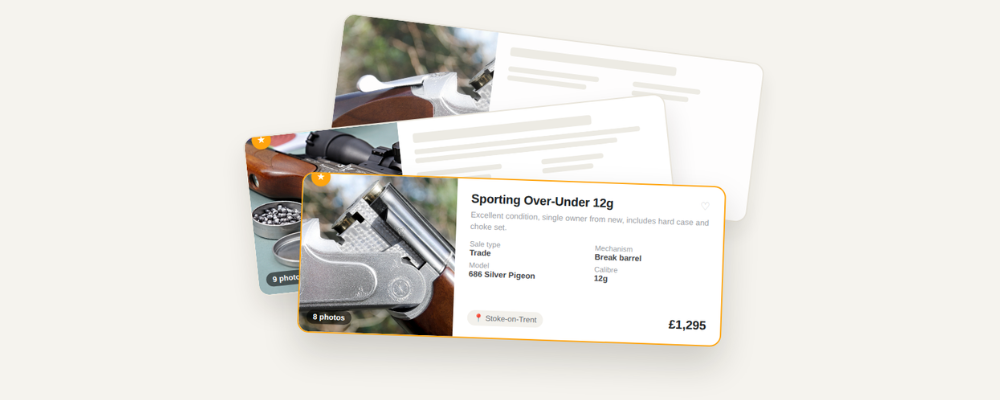
By the time a buyer hits “enquire” or picks up the phone, they’ve already made most of the decision. What happens in the seconds before that, what they’re reading, comparing and quietly ruling out, is where most dealers lose enquiries without ever knowing it. This week’s post is about that moment: what buyers are actually weighing up, and what tips them from browsing to messaging.
Completeness reads as trustworthiness
A buyer looking at a listing isn’t just checking whether the item is right for them. They’re checking whether the dealer can be trusted to have described it accurately. Gaps do the opposite of what dealers assume. A missing spec field, a vague condition note, a title that doesn’t quite match the photo: none of these register as “ask and I’ll tell you.” They register as a small flag that something’s being glossed over, and buyers move on to the next listing rather than raise it.
Take two listings for the same class of shotgun, priced within a few pounds of each other. One has a full spec breakdown, barrel length, chokes, weight, a clear note on any cosmetic wear. The other just says “good condition, worth a look.” Even though the second dealer might genuinely have the better gun, the buyer has no way to know that from the listing, and no strong reason to spend the time finding out when a fuller answer is sitting right next to it. Completeness isn’t a nice extra. It’s most of what decides whether the buyer ever reaches out at all.
What buyers actually notice in photos
Photos get judged faster and more harshly than any other part of a listing, and most dealers underestimate how much detail buyers are reading into them. A buyer isn’t just checking “is that the right model.” They’re checking whether they can trust the condition claims in the text, and the photos are the evidence.
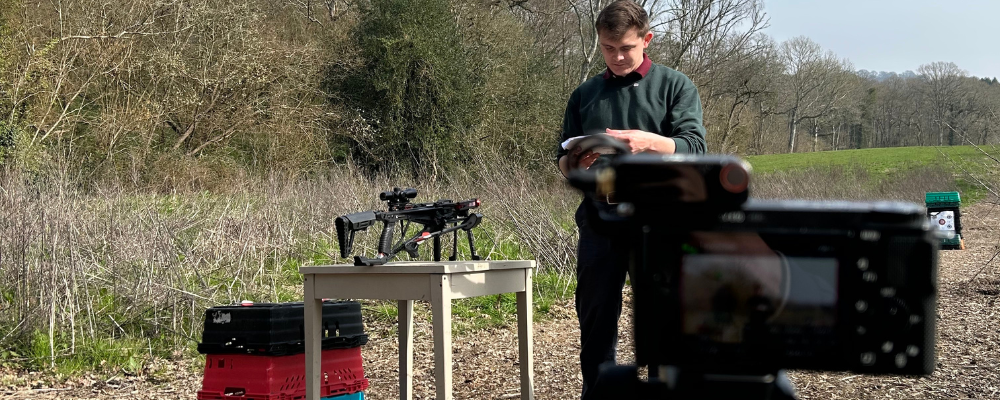
A few things consistently make the difference. Show the areas that would show wear first, the muzzle, the stock, any engraving, not just the most flattering angle. A buyer who has to ask “can I see the underside of the barrel” before they’ll commit has already half decided you were hiding something, even if you weren’t. Shoot in even, natural light rather than a dim stockroom, since dark or shadowy photos read as either low effort or something being kept out of view. And photograph the actual item, not a manufacturer’s stock image standing in for it. Buyers in this trade are usually looking to buy a specific, serialised item, not a category of item, and a stock photo in place of a real one is one of the fastest ways to lose their confidence before they’ve even read the description.
Recency is a proxy for reliability
Buyers rarely know exactly when a listing was last updated, but they can usually tell. Photos that look dated, prices that feel slightly off for the current market, stock that’s clearly been sitting untouched: all of it reads as “this dealer isn’t paying close attention right now,” and buyers extend that doubt to everything else about the transaction. Will they reply quickly? Will the item still be available? Will the paperwork be handled properly? A listing that looks current is doing quiet reputational work before a single message is sent, and one that looks stale is doing the opposite.
Response speed matters more than dealers think
Buyers rarely commit to a single dealer while they’re still deciding. They send two or three enquiries at once, treat the first proper reply as the front-runner, and lose interest in the ones that go quiet. A dealer with the better item but a slow reply can genuinely lose the sale to a dealer with an average item and a fast one. This isn’t about being glued to a phone all day. It’s about the enquiry not sitting unread for two days while a buyer who’s already moved on to someone else forgets you were even in the running. Even a short holding reply, “thanks, I’ll get you full details this evening,” keeps you in contention while you find time to answer properly.
Buyers compare before they commit, and the safest option wins
Almost nobody messages the first listing they see. Most buyers have three or four tabs open, comparing the same or similar stock across dealers, and they’re not always choosing on price. They’re choosing whichever listing made the decision feel safest: clearest photos, most complete description, most professional presentation. Being the cheapest doesn’t overcome being the one that felt like a gamble. Being the most reassuring listing in the comparison set often beats being the cheapest one in it, particularly on higher-value stock where a buyer has more to lose from getting it wrong.
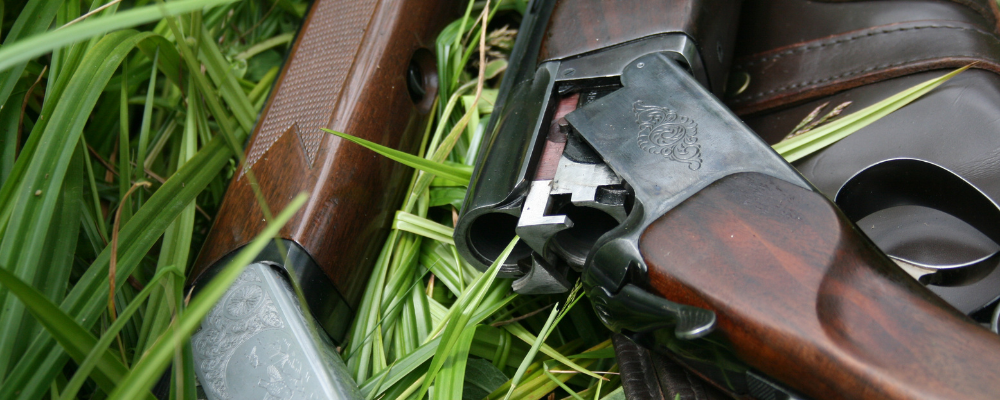
Price still matters, but it’s judged in context rather than on its own. A slightly higher price next to a complete, current, well-photographed listing reads as fair. The same price next to a thin, dated listing reads as a risk not worth taking, even when the item itself is identical.
What this means across your whole stock, not just your best listings
Here’s the part that catches most dealers out. Buyers don’t judge you listing by listing, they judge you dealer by dealer. If your flagship items are polished but the rest of your stock is inconsistent, some listings complete, some thin, some scattered across a site that isn’t kept current, a buyer who lands on one of the weaker listings doesn’t think “this one’s just not finished yet.” They quietly downgrade their trust in everything else you’re selling, including the good listings they haven’t seen yet.
Say a buyer finds your best rifle listing through a search, likes what they see, and clicks through to browse the rest of your stock before messaging. If the next three listings they see are thin or out of date, that early trust doesn’t carry over. It resets, and often it resets downward, because now they’re wondering why the first one was the exception rather than the standard.
That’s the real argument for having your full stock live in one place, kept to one standard, rather than your best few items polished and the rest thin or scattered. Consistency is doing as much work as any individual listing. A buyer’s confidence in you is built from the whole picture, not just whichever item they happened to click on first. Dealers who list everything on Gunstar, rather than a partial slice, tend to see this play out directly: buyers who start on one listing browse into others from the same dealer, and a consistent, complete stock list is what keeps that browsing turning into enquiries instead of buyers quietly checking a competitor instead.
This week’s action: pick three listings at random, not your best ones, and read them the way a buyer comparing three dealers would. Check the spec fields are complete, check the photos show the item honestly rather than flatteringly, and check nothing looks like it’s been sitting untouched for months. If they don’t read as complete and current, that’s costing you enquiries you’ll never see in the numbers.
If part of your stock isn’t on Gunstar yet, get in touch about bringing the rest across. It’s the fastest way to make sure every listing a buyer lands on works as hard as your best one.